Deep Cleaning in Homes and Businesses: What It Means, Why It Matters, and How to Do It Right
Deep cleaning is more than a routine tidy-up. It is the process that reaches into overlooked corners, tackles built-up grime, and restores a space to a healthier, fresher condition. Whether you are managing a busy household, preparing a property for guests, or maintaining a professional workplace, deep cleaning plays a vital role in keeping every environment comfortable, sanitary, and presentable. Many people search for deep cleaning services because standard cleaning only handles surface dirt. Deep cleaning goes further, targeting hidden dust, grease, bacteria, limescale, and allergens that can build up over time.
In today’s world, cleanliness is closely connected to wellbeing, productivity, and peace of mind. A properly performed deep cleaning can improve indoor air quality, reduce unpleasant odors, and create a more organized atmosphere. It also helps protect furniture, fixtures, flooring, and appliances from long-term damage caused by neglect. If you want a space that feels truly refreshed, understanding the value of deep cleaning is the first step.
From kitchens and bathrooms to offices and commercial premises, deep cleaning is a smart investment for both aesthetics and hygiene. It is especially useful during seasonal changes, before events, after renovations, during move-in or move-out transitions, and whenever a property needs extra attention. In many cases, people realize how much dirt has accumulated only after a detailed deep clean reveals the difference.
What Is Deep Cleaning?
Deep cleaning refers to a thorough cleaning process that reaches areas not typically covered during regular maintenance. While weekly cleaning might involve dusting, vacuuming, and wiping visible surfaces, deep cleaning includes detailed work such as scrubbing grout, cleaning behind appliances, disinfecting high-touch areas, and removing stubborn buildup. It is a more intensive method designed to reset a space.
Unlike basic cleaning, deep cleaning focuses on the hard-to-reach places that accumulate dirt gradually. Think of spaces behind sofas, under beds, inside ovens, along baseboards, inside vents, and around taps where limescale forms. These areas are easy to ignore in everyday life, but they can have a major effect on overall cleanliness.
Many people compare regular cleaning and deep cleaning, but the difference is not just effort; it is scope. Regular cleaning maintains a presentable appearance, while deep cleaning addresses the hidden layers of dirt, grease, and bacteria that routine tasks may miss. In short, deep cleaning restores a property more thoroughly and helps keep it in better condition for longer.
Why Deep Cleaning Matters
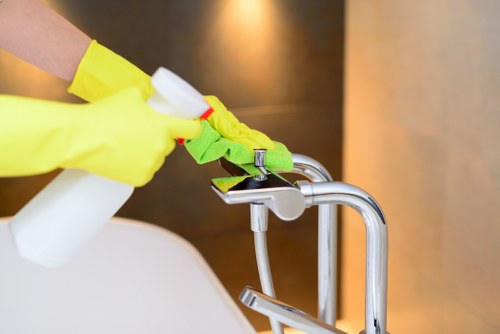
There are several reasons why deep cleaning is essential for homes and businesses. First, it supports a healthier environment. Dust, mold spores, allergens, and bacteria often collect in forgotten spaces. A detailed deep cleaning routine helps reduce these contaminants and creates a cleaner atmosphere for everyone inside the property.
Second, deep cleaning improves the appearance and comfort of a space. Clean floors, polished surfaces, and fresh-smelling rooms make a strong first impression. Whether you are welcoming family, clients, tenants, or visitors, a properly maintained space communicates care and professionalism. In many cases, the difference is noticeable immediately.
Third, deep cleaning can extend the lifespan of fixtures and furnishings. Grease on kitchen cabinets, grime in bathrooms, and dust in vents can wear materials down over time. A well-planned deep cleaning service helps preserve surfaces, prevent staining, and reduce the need for costly repairs or replacements later.
Key benefits of deep cleaning
- Reduces dust, allergens, and bacteria
- Improves indoor air quality
- Removes stubborn grime and buildup
- Helps prevent odors
- Protects floors, tiles, and fixtures
- Creates a more inviting environment
When to Schedule Deep Cleaning
Timing matters when it comes to deep cleaning. Although every property is different, there are several situations when a deep clean is especially worthwhile. Many homeowners schedule this service seasonally, while businesses may arrange it monthly, quarterly, or after high-traffic periods. The right schedule depends on how the space is used and how quickly dirt accumulates.
One common time for deep cleaning is before hosting events or welcoming guests. A thorough clean helps the property look polished and feel comfortable. Another ideal moment is during move-in or move-out periods, when the goal is to make the space fresh for the next occupant. Renovation work also creates dust and debris that require detailed cleanup.
It is also smart to book a deep cleaning after illness in the home, after a long period of neglect, or when standard cleaning is no longer enough to keep the property in good shape. If you notice persistent odors, visible buildup, sticky surfaces, or dull finishes, those are strong signs that deep cleaning is needed.
Common deep cleaning schedules
- Seasonal deep cleaning: spring, summer, autumn, or winter refresh
- Quarterly maintenance: ideal for homes and offices
- Pre-event cleaning: before celebrations, meetings, or open houses
- Post-renovation cleaning: after building or decorating work
- Move-related cleaning: before moving in or after moving out
Areas That Need the Most Attention
Every deep cleaning project should focus on the zones where dirt tends to hide. Kitchens and bathrooms are usually top priorities because they collect grease, moisture, soap scum, and bacteria. However, other areas such as bedrooms, living rooms, hallways, offices, and storage spaces also need attention. A well-executed deep cleaning process addresses each zone systematically.
In kitchens, this may include degreasing stovetops, wiping inside cabinets, sanitizing countertops, cleaning splashbacks, and scrubbing sinks. In bathrooms, deep cleaning often means removing limescale from taps, disinfecting toilets, cleaning shower screens, and restoring tile grout. These tasks make a visible difference and improve hygiene.
Living areas and bedrooms require a different approach. Here, deep cleaning often involves vacuuming under furniture, dusting skirting boards, washing soft furnishings, cleaning light fixtures, and refreshing curtains or blinds. Offices and commercial spaces may need keyboard sanitizing, carpet extraction, desk disinfection, and waste area cleaning. Regardless of the setting, the goal of deep cleaning is the same: restore every part of the property to a cleaner, healthier standard.
Deep Cleaning a Kitchen
The kitchen is often the heart of the home, which means it is also one of the busiest and messiest areas. A proper deep cleaning in the kitchen goes far beyond wiping the counters. It targets hidden grease, food residue, and buildup that can affect both appearance and hygiene. Because this room is used for cooking and food storage, deep cleaning here is especially important.
A kitchen deep clean usually begins with clearing surfaces and removing items from cabinets, shelves, and appliances. Once the space is open, attention can shift to degreasing hob surfaces, scrubbing extractor fans, cleaning behind the oven, and washing cupboard doors. Appliances such as microwaves, fridges, and dishwashers also benefit from detailed cleaning inside and out.
Don’t forget about the smaller details. Handles, switches, sink drains, and kickboards can collect grime over time. Floors should be swept, vacuumed, and mopped thoroughly, especially in corners where crumbs and spills collect. If done properly, a kitchen deep cleaning leaves the room looking brighter, smelling fresher, and functioning better.
Kitchen deep cleaning checklist
- Clean inside and outside of cupboards
- Degrease stovetops and extractor hoods
- Sanitize sink, taps, and drains
- Wipe backsplash tiles and grout
- Clean fridge shelves and seals
- Scrub floors, corners, and skirting boards
Deep Cleaning a Bathroom

Bathrooms demand careful attention because they are constantly exposed to moisture, soap residue, and germs. A deep cleaning routine in the bathroom should target every surface, fixture, and hidden corner. Without regular detailed cleaning, limescale, mold, and odors can develop quickly. This makes the bathroom one of the most important rooms to deep clean frequently.
During a bathroom deep clean, professionals or homeowners typically begin by removing items from shelves, cleaning mirrors, and disinfecting all touchpoints. Then they move on to toilets, sinks, baths, showers, and tiles. Limescale around taps, shower heads, and drains often requires special treatment. Grout lines may need scrubbing to remove mildew and soap buildup.
Glass shower screens, drains, vents, and bathroom floors should also be cleaned thoroughly. If you want the bathroom to feel hygienic and relaxing, these details matter. A good deep cleaning service transforms the room from merely acceptable to truly fresh and sanitary. It is also an effective way to help control odors and prevent recurring mold problems.
Bathroom deep cleaning priorities
- Disinfect toilet surfaces and surrounding areas
- Remove soap scum from tubs and showers
- Scrub grout and tile edges
- Polish mirrors and glass
- Descale taps and shower fixtures
- Clean vents, corners, and floors
Tools and Products Used in Deep Cleaning
Effective deep cleaning depends on using the right tools and products. While many tasks can be completed with basic household supplies, more stubborn buildup may require specialized cleaners and equipment. Choosing appropriate products helps you clean more efficiently and avoid damaging surfaces. This is why many people prefer professional deep cleaning services for complex jobs.
Common tools include microfiber cloths, scrub brushes, vacuum cleaners with attachments, mop systems, steam cleaners, and extendable dusters. These tools help reach corners, remove dust more effectively, and clean areas that are hard to access by hand. For heavier jobs, pressure sprayers, carpet machines, and extraction equipment may be used.
Products should be selected carefully based on the surface being cleaned. Degreasers work well in kitchens, while descaling products are useful in bathrooms. Disinfectants can help sanitize high-touch areas, and pH-neutral cleaners are often best for delicate floors. A successful deep cleaning approach balances power with safety and surface care.
Examples of useful deep cleaning tools
- Microfiber cloths and dusters
- Scrub pads and grout brushes
- Vacuum cleaners with attachments
- Mops, buckets, and steam cleaners
- Disinfectant sprays and surface-safe degreasers
- Lint rollers and detailing brushes for soft furnishings
Professional Deep Cleaning vs DIY
Some property owners prefer to handle deep cleaning themselves, while others choose professional help. Both options have advantages. A DIY approach can work well for smaller spaces or light buildup, especially if you have the time and equipment. However, professional deep cleaning usually delivers more consistent results and saves a great deal of effort.
Professional cleaners bring experience, efficient methods, and access to stronger equipment. They know how to handle different surfaces and can work faster through large or heavily used properties. This is particularly valuable for commercial premises, rental properties, and homes with extensive buildup. A skilled team can spot missed areas and focus on the details that make a real difference.
DIY deep cleaning may be more budget-friendly at first, but it can take much longer and may not produce the same level of finish. If you are short on time, dealing with stubborn stains, or need a full property reset, booking a deep cleaning service may be the better choice. In many cases, the convenience and quality of professional work justify the cost.
When professional help makes sense
- After renovation dust and debris
- Before or after moving home
- For large houses or busy offices
- When mold, grease, or limescale is severe
- When regular cleaning is no longer enough
- When you want a time-saving solution
How Deep Cleaning Supports Health and Hygiene
One of the biggest reasons people invest in deep cleaning is health. Dust, pet hair, pollen, bacteria, and mold can all gather in hidden areas. Over time, these substances may contribute to allergies, irritation, and poor indoor comfort. A thorough deep clean helps reduce these risks by removing buildup from carpets, surfaces, vents, and soft furnishings.
This is especially important in homes with children, elderly residents, pets, or anyone sensitive to allergens. It is also significant in workplaces where many people share the same environment. Cleaner air and sanitized surfaces contribute to a more pleasant and productive setting. In that sense, deep cleaning is not just about appearance; it is about creating a better quality of life.
Regular deep cleaning can also help limit the spread of germs during flu season or in shared environments. High-touch areas such as light switches, door handles, remote controls, and desks should be included in a thorough cleaning routine. When these areas are properly addressed, the property becomes more hygienic and easier to maintain.
Health-focused areas to include in deep cleaning
- Air vents and fans
- Carpets and rugs
- Soft furnishings and upholstery
- Door handles and switches
- Beds, mattresses, and under-furniture spaces
- Shared work surfaces and equipment
How to Prepare for a Deep Clean
Preparation helps the deep cleaning process run smoothly. Before the work begins, it is a good idea to declutter surfaces, remove personal items, and make sure cleaners can access every area. The more open the space is, the more effective the deep cleaning will be. Preparation also helps avoid delays and ensures that nothing important gets overlooked.
If you are arranging a professional service, it can help to note specific problem areas in advance. Maybe there is a stubborn grease stain in the kitchen, a mold issue in the bathroom, or a carpet that needs special attention. Sharing these details helps the cleaning team focus their efforts. Clear communication leads to better results.
For homeowners doing a DIY deep cleaning, it is useful to work room by room and create a checklist. Start from the top and move downward so dust and debris fall onto areas that will be cleaned later. This organized approach saves time and helps ensure that no important task is forgotten during the process.
Simple preparation steps
- Declutter floors and surfaces
- Put away fragile or valuable items
- Identify problem spots in advance
- Ensure access to water and electricity if needed
- Ventilate rooms where possible
- Use a checklist to stay organized
Maintaining Results After Deep Cleaning
A deep clean creates an excellent starting point, but maintenance is what keeps the results looking good. After the property has been restored, regular upkeep prevents dirt from building up again. Simple habits such as wiping surfaces daily, vacuuming regularly, and dealing with spills quickly can extend the freshness achieved through deep cleaning.
It is also useful to establish a realistic cleaning routine for each room. Kitchens and bathrooms may need more frequent care than bedrooms or storage spaces. In offices, shared surfaces and equipment should be wiped regularly. By combining daily maintenance with periodic deep cleaning, you can keep a property consistently clean and presentable.
Many property owners find that a scheduled deep cleaning plan works best. Instead of waiting until dirt becomes overwhelming, they arrange cleaning at fixed intervals. This proactive approach reduces stress and keeps standards high throughout the year. If you want lasting results, consistency is key.
Why Deep Cleaning Is Worth the Investment
Deep cleaning offers value that goes beyond immediate appearance. It protects your property, supports health, and creates a more enjoyable environment. Whether you are managing a family home, rental property, office, or retail space, a detailed clean is often one of the most effective ways to refresh the entire setting. The results are not only visible but also practical.
When done properly, deep cleaning can reduce wear and tear, eliminate stubborn buildup, and create a better experience for everyone who uses the space. It can also reduce the pressure of ongoing maintenance because a properly reset environment is easier to keep clean. In that sense, deep cleaning is both a short-term improvement and a long-term strategy.
If your space is overdue for extra attention, now is the time to act. Contact us today to explore options that suit your property and schedule, or book your service now to enjoy a fresher, healthier environment. Deep cleaning is one of the smartest ways to restore comfort, hygiene, and confidence in any setting.
Final Thoughts on Deep Cleaning
Deep cleaning is an essential part of property care that should not be overlooked. It reaches the places routine cleaning misses, helps improve health and hygiene, and keeps homes and businesses looking their best. From kitchens and bathrooms to offices and living spaces, every area benefits from detailed attention. A strong deep cleaning routine can make a dramatic difference in how a place feels and functions.
Whether you choose to handle the work yourself or hire professionals, the important thing is to make deep cleaning a priority. By doing so, you create a cleaner, safer, and more welcoming environment. If you are ready to see the difference a thorough clean can make, take the next step today and give your space the attention it deserves.