Sofa Cleaning in Modern Homes: A Practical, Fresh, and SEO-Friendly Approach
Keeping your living room clean is one thing; keeping your upholstery fresh, sanitary, and attractive is another. Sofa cleaning is one of the most important parts of home maintenance because sofas collect dust, crumbs, pet dander, allergens, body oils, and everyday spills faster than most people realize. If you want a cleaner, healthier, and more inviting home, regular sofa cleaning should be part of your routine.
A well-maintained sofa does more than look good. It can improve indoor air quality, reduce odors, extend the life of your furniture, and make your entire room feel more comfortable. Whether you have a fabric sectional, a leather loveseat, or a family sofa that sees constant use, the right upholstery cleaning methods can make a huge difference.
This article explores the practical side of sofa cleaning, including how to identify the right cleaning method, how often to clean, common mistakes to avoid, and why professional services often deliver the best long-term results. If you have been searching for sofa cleaning tips that are easy to understand and effective in real life, you are in the right place.
Why Sofa Cleaning Matters More Than Many People Think
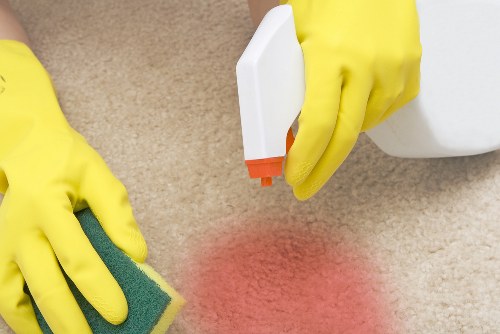
Most people vacuum floors regularly, wipe down counters, and wash bedding, but sofa cleaning often gets delayed until stains become visible or odors become noticeable. The problem is that upholstery quietly accumulates debris every day. Tiny particles settle deep into cushions and seams, and over time they can affect both the appearance and hygiene of the furniture.
Regular sofa cleaning helps remove built-up dirt, bacteria, and allergens that ordinary surface cleaning may miss. This is especially important for households with children, pets, or frequent guests. A sofa is one of the most used pieces of furniture in any home, which means it deserves more attention than an occasional quick vacuum.
Another key reason to prioritize sofa cleaning is longevity. Dirt and grit can wear down fabric fibers, causing fading, thinning, and a dull appearance. With proper upholstery care, your sofa can stay softer, cleaner, and more attractive for years longer than a neglected one.
Understanding Different Sofa Materials
Before starting any sofa cleaning routine, it is important to know what type of upholstery you are dealing with. Different materials respond differently to water, detergent, steam, and spot treatments. Choosing the wrong method can cause shrinkage, discoloration, or texture damage.
Fabric Sofas
Fabric sofas are common because they are comfortable, stylish, and available in many colors and textures. However, they are also more likely to absorb spills and odors. For fabric sofa cleaning, gentle vacuuming, spot treatment, and occasional deep upholstery cleaning are usually the best approach.
Leather Sofas
Leather requires a different strategy. Leather sofa cleaning focuses on removing dust and surface grime while preserving the natural oils that keep the material supple. Too much moisture or harsh detergent can dry out the leather and cause cracking, so special care is essential.
Microfiber Sofas
Microfiber is popular because it resists stains better than many other fabrics, but it still needs routine cleaning. Sofa cleaning for microfiber often involves alcohol-based solutions, light brushing, and careful drying to avoid water marks.
Check the Manufacturer Tag First
Most sofas have a care label that tells you which cleaning method is safe. Look for codes such as W, S, WS, or X. These labels can help you decide whether water-based cleaning, solvent-based treatment, or vacuum-only care is best.
How Often Should Sofa Cleaning Be Done?
The ideal sofa cleaning schedule depends on usage, household size, and lifestyle. A lightly used formal sofa may only need occasional upkeep, while a family room couch may require frequent attention. The goal is to prevent dirt from settling too deeply into the fibers.
As a general rule, vacuuming should be done weekly, spot cleaning should happen immediately after spills, and deeper sofa cleaning should be done every 6 to 12 months. Homes with pets, children, or allergy sufferers may benefit from more frequent upholstery cleaning.
Professional deep cleaning is often recommended at least once a year. This kind of sofa cleaning removes embedded dirt and restores freshness in a way that basic household tools usually cannot match. If your sofa gets heavy daily use, scheduling more frequent professional care can make a noticeable difference.
Signs Your Sofa Needs Cleaning Now
- Visible stains or water rings
- Lingering odors from food, pets, or smoke
- Flattened, dull, or sticky fabric
- Increased sneezing or allergy symptoms near the sofa
- Dust buildup in seams and corners
Effective DIY Sofa Cleaning Methods
Many homeowners want to handle sofa cleaning on their own, and for light maintenance, that can work well. The key is to use the right method for the material and always test products on a hidden area first. Good DIY upholstery care can extend the time between professional appointments and keep your sofa looking fresh.
1. Vacuum Thoroughly
Vacuuming is the foundation of sofa cleaning. Use a soft brush attachment to remove dust, crumbs, pet hair, and loose debris from the entire surface. Pay special attention to seams, under cushions, armrests, and the back of the sofa. This simple step prevents dirt from rubbing deeper into the fabric.
2. Spot Clean Spills Quickly
When spills happen, blot them immediately with a clean cloth. Avoid rubbing, since that can spread the stain or push it deeper into the fibers. A mild soap solution or upholstery-safe cleaner may help with light spots. For successful sofa cleaning, speed matters almost as much as the cleaning product itself.
3. Use Baking Soda for Odors
Baking soda is a practical option for neutralizing mild smells. Sprinkle it lightly over the sofa, let it sit for at least 15 to 30 minutes, then vacuum it away. This is a simple and affordable way to improve freshness between deeper sofa cleaning sessions.
4. Steam Clean When Appropriate
Steam cleaning can work well for certain fabric sofas because it helps loosen grime and kill some surface bacteria. However, it is not suitable for all materials, especially delicate fabrics or leather. Always verify that steam is safe for your upholstery before using this method.
Important Safety Tip
Never soak the upholstery. Excess water can lead to mold, mildew, stains, and slow drying times. Effective sofa cleaning should refresh the fabric without saturating it.
Why Professional Sofa Cleaning Often Delivers Better Results
DIY cleaning is useful, but professional sofa cleaning brings a level of depth and precision that is hard to achieve with household products alone. Professionals use specialized extraction equipment, fabric-safe detergents, and advanced stain removal methods designed to target deep-seated dirt and odors.
Professional upholstery cleaning is especially valuable for older sofas, heavily used furniture, or fabrics with difficult stains. The process typically reaches deeper layers of the upholstery, where allergens and grime often hide. This can make the sofa look brighter, feel softer, and smell cleaner.
Another advantage of professional sofa cleaning is time savings. Instead of experimenting with multiple products or worrying about damage, you can rely on trained technicians to choose the safest and most effective approach. For busy households, this convenience alone can be worth it.
Benefits of Professional Upholstery Cleaning
- Removes deep dirt and embedded debris
- Helps eliminate stubborn odors
- Improves appearance and fabric texture
- Supports a healthier indoor environment
- Can extend the lifespan of your sofa
Common Sofa Cleaning Mistakes to Avoid
Even with the best intentions, some cleaning habits can do more harm than good. Avoiding common mistakes is just as important as choosing the right products. If you want your sofa cleaning efforts to be effective, keep these issues in mind.
Using Too Much Water
One of the biggest mistakes in sofa cleaning is over-wetting the fabric. Moisture can seep into cushion fillings, leading to odor, mildew, and longer drying times. Always use minimal liquid and blot carefully.
Skipping the Patch Test
Before applying a cleaner to the full sofa, test it in a hidden area. Some products can cause fading, darkening, or texture changes. A small patch test can prevent a costly upholstery problem.
Rubbing Stains Aggressively
Scrubbing can damage fibers and spread the stain. Gentle blotting and controlled cleaning are far more effective for most sofa cleaning tasks.
Ignoring the Care Label
The upholstery tag is there for a reason. Using the wrong method can permanently damage the material, so always follow the manufacturer’s instructions whenever possible.
What to Do Instead
Use a structured sofa cleaning routine: vacuum first, treat stains carefully, dry thoroughly, and repeat maintenance regularly. This method protects both the appearance and structure of the sofa.
Sofa Cleaning for Homes with Pets and Children
Families with pets and children often need a more active approach to sofa cleaning. Pets may shed hair, track in dirt, and leave behind odors, while children may spill drinks, snack crumbs, or arts-and-crafts materials. In these homes, upholstery maintenance should be more frequent and more targeted.
For pet owners, vacuuming should be done several times a week, and odor control should be part of the regular sofa cleaning plan. Lint rollers, rubber brushes, and upholstery attachments can all help remove hair before it becomes deeply embedded.
For households with children, stain prevention matters just as much as stain removal. Removable cushion covers, washable throws, and quick action after spills can all reduce the amount of intensive sofa cleaning needed later.
Practical Tips for Busy Homes
- Use washable covers or throws in high-traffic areas
- Keep a stain-safe cleaner nearby
- Vacuum more often than in low-use rooms
- Address odors before they settle in
- Schedule regular professional upholstery cleaning
How Sofa Cleaning Supports a Healthier Home
Sofa cleaning is not just about appearances. Upholstery can trap allergens, dust mites, pet dander, and other particles that may affect respiratory comfort. For people who experience allergies or sensitivities, keeping sofas clean can make everyday living more comfortable.
Regular upholstery cleaning also reduces the buildup of germs and bacteria that can accumulate on surfaces touched by multiple family members and guests. While sofa cleaning is not a substitute for overall household hygiene, it is a meaningful part of a healthier living environment.
Fresh upholstery can even influence the feel of the room. A clean sofa makes a space seem more organized, brighter, and more welcoming. That is one reason sofa cleaning is often part of home preparation before gatherings, seasonal changes, or property viewings.
Health and Comfort Benefits at a Glance
- Reduces dust and allergens in living spaces
- Helps minimize lingering odors
- Improves the comfort of seating areas
- Supports a cleaner, fresher indoor atmosphere
Choosing the Right Sofa Cleaning Service
If you decide to hire a professional, not all upholstery services are the same. The best sofa cleaning provider should understand different fabrics, use suitable products, and have the right equipment for deep cleaning without damage.
Look for companies that explain their process clearly and offer material-specific treatment. A reliable upholstery cleaning service should be able to handle fabric, leather, microfiber, and specialty materials with care. Transparency matters, especially if your sofa has delicate fibers or valuable finishes.
It is also wise to ask whether the service includes pre-treatment, stain removal, deodorizing, and drying support. These details can affect the overall result of the sofa cleaning process. A well-organized service can make your furniture look and feel renewed.
Questions to Ask Before Booking
- Which cleaning methods do you use for my sofa material?
- Do you offer safe treatment for pet stains and odors?
- How long will drying take after sofa cleaning?
- Can you handle delicate or specialty upholstery?
- What maintenance steps do you recommend afterward?
Book your service now if your sofa is overdue for a refresh and you want a cleaner, more comfortable home environment.
Long-Term Maintenance Tips for Better Results
Good sofa cleaning does not end after one deep treatment. Long-term care helps maintain the results and keeps your upholstery looking better between professional visits. Small habits make a surprisingly big difference.
Start by vacuuming regularly and treating spills immediately. Rotate cushions when possible so wear is distributed more evenly. Keep the sofa out of direct harsh sunlight if fading is a concern. These small steps reduce the frequency of major sofa cleaning jobs and help preserve color and texture.
Seasonal deep cleaning can also be useful. Many households choose to do a major upholstery refresh during spring or before holidays, but the best schedule depends on use. The key is consistency, because regular sofa cleaning is far more effective than waiting until the sofa looks visibly dirty.
Simple Monthly Checklist
- Vacuum all surfaces and creases
- Check for new stains or worn areas
- Refresh odor control with baking soda if needed
- Rotate cushions
- Inspect for spills or pet-related buildup
Final Thoughts on Sofa Cleaning in Everyday Life
Whether you handle the work yourself or hire a professional, sofa cleaning is one of the most valuable upkeep tasks for any home. It improves appearance, supports hygiene, removes odors, and helps your furniture last longer. Just as importantly, a clean sofa makes your living space feel more comfortable and inviting.
By understanding your upholstery material, following the right maintenance schedule, and avoiding common mistakes, you can keep your sofa in excellent condition. If your furniture has deep stains, strong odors, or heavy buildup, professional upholstery cleaning can deliver results that go beyond surface-level freshness.
Now is the right time to make sofa cleaning part of your regular home care routine. Contact us today to explore professional options, or book your service now if you want expert help restoring the look and feel of your sofa. A cleaner couch means a cleaner home, and that is a result worth investing in.