Insurance and Safety
 A strong insurance and safety framework is essential for any operation that wants to protect people, property, and peace of mind. Whether work is carried out on-site, in public spaces, or in private premises, the right safeguards help reduce disruption and support a safer environment for everyone involved. Our approach to insurance for safety combines practical prevention with reliable cover, creating a balanced system that responds to real-world risks.
One of the foundations of this approach is public liability insurance. This protection is designed to help cover claims if a third party suffers injury or property damage as a result of activities connected to our work. It is an important part of responsible operations because even well-managed tasks can involve unexpected incidents. By maintaining suitable liability cover, we support safer working practices while also ensuring that any unforeseen issue is handled in a structured and professional way.
Insurance alone is never enough, which is why staff competence plays such a major role in our health and safety standards. Every team member receives staff training relevant to their responsibilities, from safe working methods to hazard awareness and emergency response. Training is kept practical and clear, helping employees understand not only what they should do, but why it matters. This builds confidence and supports consistent decision-making, especially in situations where careful judgement is needed.
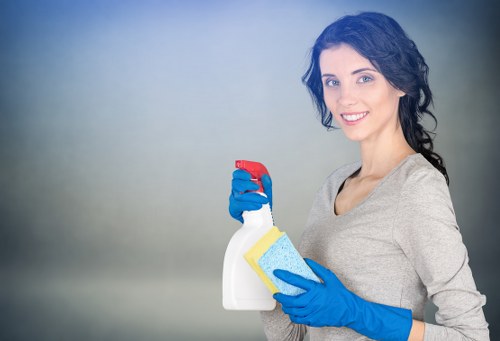
 Alongside training, we place great emphasis on the correct use of PPE, or personal protective equipment. Depending on the task, this may include items such as helmets, gloves, eye protection, high-visibility clothing, or respiratory protection. PPE is selected to match the specific risks involved, and staff are instructed on how to wear, inspect, store, and replace equipment correctly. In our insurance and safety policy, PPE is treated as a last line of defence, supporting other controls rather than replacing them.
The role of PPE is closely linked to a wider safety culture that values prevention over reaction. Proper equipment can reduce the severity of injuries and help staff work with greater assurance, but it must always be used alongside safe systems of work. Regular supervision and refresher training help ensure that protective gear remains effective and that all employees follow the same high standards. In this way, safety insurance thinking extends beyond paperwork and becomes part of everyday behaviour.
 A thorough risk assessment process is at the centre of everything we do. Before any task begins, potential hazards are identified, the people who may be affected are considered, and the level of risk is evaluated. Suitable control measures are then put in place to reduce that risk as far as reasonably possible. This may include changes to equipment, adjustments to working methods, restricted access, signage, or the use of additional PPE.
The risk assessment process is not a one-time exercise. It is reviewed whenever conditions change, new equipment is introduced, or an incident highlights the need for improvement. This ongoing approach allows our risk management and insurance strategy to stay current and effective. By reviewing hazards regularly, we can respond quickly to changing circumstances and maintain a safer working environment.
We also recognise that good documentation is an important part of responsible management. Clear records of training, inspections, equipment checks, and assessments help demonstrate that suitable precautions are being taken. These records support transparency and accountability, while also providing useful evidence that can guide future improvements. For businesses looking to strengthen public liability cover and day-to-day safety controls, this kind of organisation is invaluable.
Ultimately, our commitment to insurance and safety is about creating dependable protection from every angle. Public liability insurance offers financial reassurance, staff training builds competence, PPE adds practical protection, and the risk assessment process keeps hazards under review. Together, these measures form a complete and proactive system that supports safer outcomes and responsible operations.
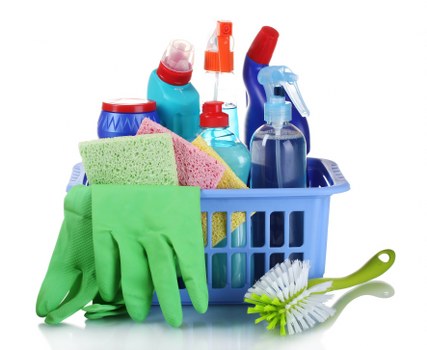 A well-managed safety structure also benefits efficiency. When risks are properly assessed and controls are clearly understood, teams can work with greater focus and fewer interruptions. This reduces the likelihood of delays, damage, and avoidable incidents. It also helps create a professional environment where safety is seen as a shared responsibility rather than a separate task.
For that reason, we continually reinforce good practice across every level of activity. From the first assessment to the final review, each stage is designed to support safer performance and reliable protection. That combination of insurance cover, training, and on-site precautions reflects a practical and modern approach to managing risk.
 In summary, our insurance and safety standards are built around preparedness, prevention, and accountability. By combining public liability insurance, staff training, PPE, and a structured risk assessment process, we help reduce exposure to hazards while supporting confident and responsible working practices. This approach protects people, strengthens operations, and provides a trusted foundation for long-term safety.