Regular Cleaning: The Smart Way to Maintain a Healthier, Brighter Space
Regular cleaning is one of the simplest and most effective ways to protect your home, office, or commercial property from dirt, clutter, germs, and long-term wear. While many people think of cleaning as a chore to be done only when things look messy, the truth is that regular cleaning creates a cleaner environment, improves comfort, supports better hygiene, and helps surfaces, furniture, and fixtures last longer.
Whether you are managing a busy household, maintaining a workplace, or keeping a rental property in top shape, regular cleaning can make a major difference in appearance and function. A consistent routine prevents buildup, reduces stress, and keeps spaces feeling fresh. It also makes deep cleaning tasks easier because dirt and grime never get the chance to accumulate. In today’s fast-paced world, smart cleaning habits are not just helpful—they are essential.
In this article, we will explore the benefits of regular cleaning, the best methods to maintain different spaces, and practical tips that can help you build a cleaning routine that works. If you want a healthier and more organized environment, regular cleaning is the foundation.
Why Regular Cleaning Matters
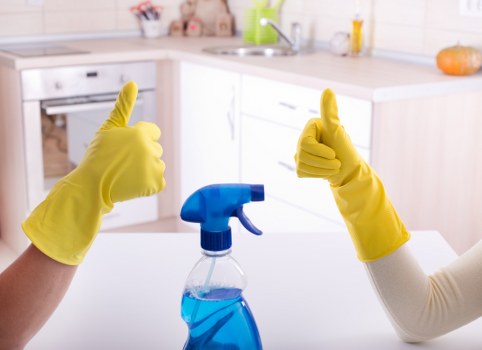
Regular cleaning does more than make a space look tidy. It helps reduce dust, allergens, bacteria, and odors while improving overall comfort. A clean environment supports better breathing, fewer irritants, and a more pleasant daily experience. For families with children, pets, or elderly members, regular cleaning is especially important because it helps reduce exposure to harmful particles and germs.
From a maintenance perspective, regular cleaning protects your investment. Floors, countertops, upholstery, appliances, and fixtures all last longer when they are cleaned properly and consistently. Dirt and residue can damage finishes over time, and neglect can lead to costly repairs or replacements. That is why regular cleaning is not just about appearance—it is about preservation.
There is also a mental and emotional benefit. A clean, organized space often feels more peaceful and less overwhelming. Many people find that regular cleaning improves focus, reduces stress, and creates a stronger sense of control over their environment. In homes and workplaces alike, cleanliness can support better productivity and a more positive atmosphere.
The Core Benefits of Regular Cleaning

One of the greatest advantages of regular cleaning is consistency. Instead of allowing dirt to build up, you address messes as they happen or on a set schedule. This helps keep chores manageable and prevents the need for exhausting deep-cleaning sessions. Over time, regular cleaning saves energy, time, and money.
Another major benefit is hygiene. High-touch surfaces such as door handles, light switches, counters, and desks can quickly collect germs. Regular cleaning and sanitizing help reduce the spread of bacteria and viruses, especially in shared spaces. This is particularly important in kitchens, bathrooms, schools, and offices where many people interact with the same surfaces.
Regular cleaning also improves indoor air quality. Dust, pet dander, and other airborne particles can accumulate quickly, especially if windows stay closed for long periods. By vacuuming, dusting, and wiping surfaces routinely, you help create a fresher space that feels lighter and more comfortable. Cleaner air can contribute to better sleep, improved concentration, and fewer allergy symptoms.
Key Advantages at a Glance
- Reduces dust and allergens
- Supports better hygiene and sanitation
- Protects flooring, furniture, and surfaces
- Improves organization and visual appeal
- Helps prevent costly repairs and replacements
- Makes deep cleaning faster and easier
Regular Cleaning in Homes: Where to Focus First
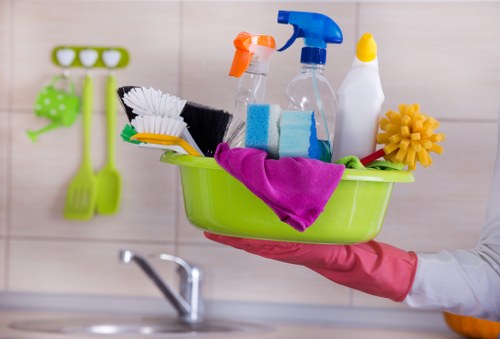
Home cleaning works best when it is broken into manageable tasks. Instead of trying to clean everything at once, focus on the areas that impact daily comfort and hygiene the most. Kitchens, bathrooms, floors, and high-traffic areas should usually be at the top of the list. These spaces gather dirt faster and often require more frequent attention.
In the kitchen, regular cleaning should include wiping counters, cleaning sinks, emptying trash bins, and keeping appliances free of spills and grease. Bathrooms need routine attention to toilets, sinks, mirrors, showers, and floors to prevent soap scum, stains, and unpleasant odors. Living rooms and bedrooms benefit from dusting, vacuuming, and general tidying to keep them welcoming and restful.
Regular cleaning in the home also means paying attention to overlooked spots. Baseboards, vents, under furniture, and behind appliances can collect dust and grime over time. Cleaning these areas on a regular schedule helps maintain a truly fresh home environment. Consistency matters more than perfection, and even small daily efforts can lead to excellent results.
Simple Room-by-Room Priorities
- Kitchen: counters, sink, stovetop, floors
- Bathroom: toilet, shower, sink, mirrors, floors
- Living room: dusting, vacuuming, organizing
- Bedroom: bedding, surfaces, floors, closets
- Entryway: shoes, mats, visible clutter
Regular Cleaning in Workspaces and Offices
In a workplace, regular cleaning influences more than appearance. It can affect employee morale, client impressions, health, and productivity. A clean office suggests professionalism and attention to detail, while a neglected workspace can make a poor impression and create distractions. For businesses, regular cleaning is part of maintaining a productive and trustworthy environment.
Desks, shared equipment, meeting rooms, break areas, and restrooms should be cleaned routinely. High-traffic areas often need daily care, while less-used spaces may require a weekly schedule. Dusting electronics, wiping down shared surfaces, sanitizing restrooms, and keeping floors free of debris all contribute to a healthier workplace.
Regular cleaning in offices also supports employee well-being. When employees work in a tidy environment, they can focus better and feel more comfortable throughout the day. Clean surroundings can reduce stress and lower the chance of illness spreading through the workplace. For many organizations, investing in regular cleaning services is a practical decision that pays off through improved efficiency and fewer disruptions.
Best Practices for Workplace Cleaning
- Clean shared surfaces daily
- Disinfect high-touch points regularly
- Vacuum and mop floors on schedule
- Keep kitchens and breakrooms tidy
- Maintain stocked and clean restrooms
- Schedule periodic deep cleaning tasks
How Regular Cleaning Improves Health and Hygiene
One of the strongest reasons to prioritize regular cleaning is health. Dirt, dust, mold, and germs can build up in any environment, especially in areas with frequent use or poor ventilation. Regular cleaning reduces these risks by removing contaminants before they spread or settle deeply into surfaces.
Bathrooms and kitchens are especially important because they can become breeding grounds for bacteria if not maintained properly. Regular cleaning helps eliminate food residue, moisture buildup, and grime that can lead to unpleasant odors and hygiene concerns. In addition, consistent cleaning of sinks, floors, and counters can help minimize the risk of cross-contamination.
People with allergies or sensitivities often notice the difference right away. Dust, pet hair, pollen, and other allergens can accumulate quickly, and regular cleaning can significantly reduce their presence. Vacuuming with a quality filter, dusting with microfiber cloths, and washing fabrics regularly can all help create a healthier indoor space. Healthy spaces start with clean habits, and that is exactly why regular cleaning remains so important.
Common Hygiene-Focused Tasks
- Sanitize sinks, faucets, and counters
- Clean toilets and bathroom surfaces
- Wash bedding, towels, and kitchen linens
- Vacuum carpets and rugs thoroughly
- Dust vents, shelves, and hidden corners
- Disinfect high-touch items like switches and handles
Building a Practical Regular Cleaning Routine
The best regular cleaning routine is one that fits your lifestyle and can be followed consistently. Many people struggle because they create unrealistic schedules that are too time-consuming or too complicated. A simple, realistic routine usually works better than an ambitious plan that quickly becomes overwhelming.
Start by dividing tasks into daily, weekly, and monthly categories. Daily tasks might include wiping counters, washing dishes, sweeping high-use areas, and tidying up clutter. Weekly tasks can include vacuuming, mopping, cleaning bathrooms, and dusting. Monthly tasks often involve more detailed work such as cleaning appliances, washing windows, or organizing storage areas.
Regular cleaning becomes easier when you use a checklist or assign different jobs to different days. You do not need to clean everything every day. Instead, focus on keeping up with small tasks so that your space stays under control. Over time, this approach becomes a habit, and regular cleaning feels less like a burden and more like a natural part of daily life.
Example Cleaning Schedule
- Daily: dishes, counters, quick tidying, spot cleaning
- Weekly: bathrooms, floors, dusting, bedding changes
- Monthly: appliances, windows, cabinets, baseboards
- Seasonally: deep cleaning, decluttering, storage review
Tools and Supplies That Support Regular Cleaning
Using the right tools can make regular cleaning faster, easier, and more effective. While you do not need a large collection of products, having a few reliable essentials can improve results. Microfiber cloths, a good vacuum, a mop, disinfectant, glass cleaner, all-purpose cleaner, and scrub brushes are often enough for most spaces.
It is also helpful to keep supplies organized and accessible. When cleaning tools are easy to find, you are more likely to use them regularly. Many people keep a small caddy with their most-used supplies so they can move quickly from room to room. This simple habit encourages consistency and reduces the chance of putting cleaning off.
Eco-friendly products are becoming increasingly popular for regular cleaning because they can be effective while minimizing harsh chemical exposure. Vinegar, baking soda, and gentle plant-based cleaners may be useful for certain tasks, though always follow manufacturer instructions and avoid mixing products that should not be combined. The goal is to clean safely and efficiently while supporting a healthy environment.
Helpful Cleaning Essentials
- Microfiber cloths and dusters
- Vacuum with attachments
- Mop and bucket or spray mop
- All-purpose cleaner
- Disinfectant for high-touch surfaces
- Scrub brushes and sponges
- Trash bags and storage bins
Regular Cleaning vs. Deep Cleaning
Regular cleaning and deep cleaning serve different purposes, and both are important. Regular cleaning focuses on maintenance. It involves routine tasks that keep a space presentable and hygienic on an ongoing basis. Deep cleaning goes further by targeting hidden dirt, built-up grime, and neglected areas that are not usually addressed during everyday cleaning.
For example, regular cleaning might involve wiping kitchen counters and vacuuming floors, while deep cleaning might include scrubbing behind appliances, cleaning grout, and washing light fixtures. Both are useful, but regular cleaning is what prevents the need for constant recovery from messes. Without a routine, deep cleaning becomes much more time-consuming and stressful.
A well-maintained environment relies on both approaches. Think of regular cleaning as the daily and weekly support system that keeps everything in good condition. Deep cleaning can then be scheduled less often, allowing you to maintain standards without feeling overwhelmed. This balance is one of the smartest ways to manage any property.
What Regular Cleaning Usually Covers
- Dusting surfaces
- Vacuuming or sweeping floors
- Wiping counters and tables
- Sanitizing common touchpoints
- Emptying trash and recycling
- General organizing and tidying
Common Mistakes to Avoid With Regular Cleaning
Even with good intentions, some cleaning habits can be ineffective or counterproductive. One common mistake is waiting too long between cleaning sessions. When tasks pile up, the job becomes harder and more discouraging. Another issue is using the wrong tools or products, which can damage surfaces or leave residue behind.
Many people also focus too much on visible areas while ignoring hidden spots. Regular cleaning should include both obvious and less-visible places because dirt often accumulates where it is not immediately noticed. A surface may look clean but still hold dust, crumbs, or bacteria.
Another mistake is failing to keep a routine. Without a schedule, regular cleaning often turns into random bursts of effort that are difficult to sustain. A simple plan is more effective than cleaning only when things look bad. If you want long-term results, consistency is everything.
Try to Avoid These Habits
- Using too much product
- Skipping high-touch surfaces
- Ignoring hidden dust and debris
- Leaving spills for later
- Overcomplicating the routine
- Forgetting to clean tools themselves
How Regular Cleaning Saves Time and Money
Many people view cleaning as a cost or inconvenience, but regular cleaning often saves both time and money over the long term. When dirt, stains, and grime are removed promptly, they are less likely to cause permanent damage. That means fewer repairs, fewer replacements, and less need for expensive restoration work.
For example, carpets that are vacuumed consistently tend to last longer than carpets that are neglected. Kitchen appliances that are wiped regularly are less likely to develop buildup that affects performance. Bathrooms that are maintained often are easier to keep clean and less likely to develop stubborn stains or mold problems.
Time savings are another major benefit. A property that receives regular cleaning is much easier to maintain than one that has been ignored. Small tasks take only a few minutes when done routinely, but they can become exhausting if left for weeks or months. Over time, regular cleaning helps reduce stress and gives you more free time to focus on what matters most.
Long-Term Value of Consistent Cleaning
- Prevents buildup and damage
- Extends the life of surfaces and furnishings
- Reduces the need for major cleaning projects
- Keeps spaces ready for guests or clients
- Improves everyday comfort and efficiency
When to Consider Professional Help
While many cleaning tasks can be handled independently, there are times when professional help makes sense. Busy schedules, large properties, special surfaces, or recurring cleaning challenges may require extra support. Professional cleaners can help maintain standards, handle deep tasks, and provide consistent results when time or energy is limited.
Professional regular cleaning services can be especially helpful for offices, rental properties, retail spaces, and larger homes. These environments often require reliable upkeep to stay presentable and hygienic. A professional approach can also bring specialized tools and techniques that improve outcomes without adding pressure to your daily routine.
If you are struggling to stay on top of chores, or if your space needs a reset, book your service now and restore balance more quickly. Regular cleaning is easier to maintain when you have the right support in place. Contact us today to take the next step toward a cleaner, healthier space.
Situations Where Help Can Be Useful
- Large homes or multi-level properties
- Busy offices and shared workspaces
- Move-in or move-out situations
- Recurring maintenance needs
- Spaces with heavy traffic or special materials
Making Regular Cleaning a Lasting Habit
The real power of regular cleaning comes from making it part of your lifestyle. Habits are easier to maintain when they are simple, visible, and tied to a routine. Start small, stay consistent, and adjust as needed. Even a few minutes a day can create meaningful results over time.
You can make regular cleaning more sustainable by setting reminders, creating a checklist, or linking tasks to daily activities. For example, wiping the kitchen counter after meals or putting things back in place before bed helps prevent clutter from growing. These small actions build momentum and make your space easier to manage.
Remember that regular cleaning is not about perfection. It is about creating a cleaner, healthier, and more comfortable environment through steady effort. Whether you are caring for a home or a business, the habit of regular cleaning pays off in countless ways. It supports hygiene, improves appearance, reduces stress, and protects your investment for the future.
Final Tips for Success
- Keep your routine realistic
- Focus on high-use areas first
- Use the right tools and products
- Stay consistent instead of waiting for messes to grow
- Review and update your routine when needed
Regular cleaning is one of the most practical ways to improve daily life. It creates order, supports health, and helps every space look and feel its best. If you want lasting results, start with small steps and build a habit that fits your schedule. With the right approach, your environment can stay cleaner, brighter, and more welcoming all year long.