Professional Oven Cleaning for a Sparkling, Healthier Kitchen
Oven cleaning is one of those household tasks that many people put off until the buildup becomes impossible to ignore. Yet a clean oven is about more than appearance. It can improve cooking performance, reduce smoke and odors, support better kitchen hygiene, and even help your appliance last longer. Whether you are dealing with baked-on grease, burnt food spills, or stubborn carbonized residue, regular oven cleaning makes a noticeable difference.
If you have been searching for oven cleaning that saves time and delivers reliable results, you are not alone. Many homeowners and renters want an efficient way to keep the appliance spotless without spending an entire weekend scrubbing. From self-cleaning ovens to traditional models, knowing the right approach can help you choose the safest and most effective method for your kitchen.
In this article, we will explore what makes oven cleaning important, the best methods to use, common mistakes to avoid, and why professional oven cleaning services can be a practical solution for busy households. You will also find useful tips to keep your appliance cleaner for longer between deep cleans.
Why Oven Cleaning Matters More Than You Think

Oven cleaning is often treated as a cosmetic chore, but its benefits go far beyond a shiny interior. A dirty oven can trap grease and food debris, which may burn during use and create unpleasant smells. Over time, residue can build up on the walls, racks, glass door, and heating elements, making your oven work harder than necessary.
When grease and burnt-on food collect inside the appliance, heat distribution may become less efficient. That can affect how your food cooks, leading to uneven baking or longer cooking times. Regular oven cleaning helps maintain consistent performance and can reduce the chance of smoke filling your kitchen every time you roast vegetables or bake a casserole.
There is also a hygiene factor. Even though ovens reach high temperatures, buildup from spills and splatters can still attract bacteria or create a sticky environment that is unpleasant to cook around. For households that cook frequently, routine oven cleaning is an easy way to support a cleaner, more comfortable kitchen environment.
Signs Your Oven Needs Cleaning
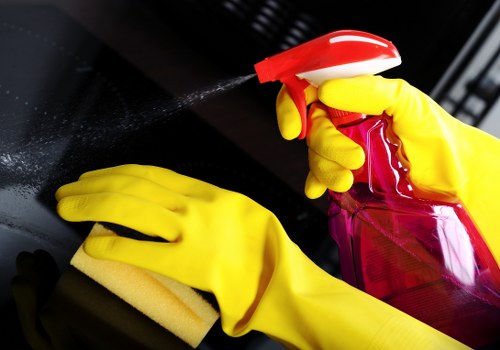
Many people wait until the mess is obvious, but several early signs can tell you it is time for oven cleaning. Recognizing these signs sooner can help you avoid heavy buildup and make the cleaning process easier.
- Visible grease splatters on the interior walls or oven door
- Burning smells when preheating or cooking
- Smoke coming from the oven during normal use
- Food residue that appears dark, sticky, or hardened
- Uneven cooking or inconsistent temperatures
- Stains or streaks on the glass panel
If you notice any of these issues, it is probably time to schedule a deep oven cleaning. Waiting too long can make grime harder to remove and may increase the chance of lingering odors or performance issues. A spotless oven not only looks better, it often functions better too.
Tip: If your oven gives off a smell even when empty, the source is often hidden residue that requires more than a quick wipe-down.
Different Types of Oven Cleaning Methods

There is no single approach to oven cleaning that suits every appliance or every level of buildup. The right method depends on the oven type, the amount of residue, and how much time you want to spend. Understanding your options makes it easier to choose the safest and most effective solution.
1. Manual Oven Cleaning
Manual oven cleaning involves using non-abrasive cleaners, microfiber cloths, soft sponges, and elbow grease to remove grease and grime. This method is ideal for routine maintenance or moderate buildup. It gives you control over every surface, including racks, trays, and the door glass.
2. Self-Cleaning Function
Many modern ovens include a self-cleaning mode that uses very high heat to burn residue into ash. After the cycle ends and the oven cools, the ash can be wiped away. While convenient, this feature is not suitable for every household. It can produce strong odors, create significant heat in the kitchen, and may not be recommended for heavily soiled ovens.
3. Steam Cleaning
Some ovens offer steam cleaning, which uses moisture and moderate heat to loosen dirt. This is a gentler option than high-heat self-cleaning and works well for lighter maintenance. It is especially useful if you want a quicker, less intense oven cleaning session.
4. Professional Oven Cleaning
Professional oven cleaning services use specialized products and techniques designed to break down stubborn grease safely and efficiently. This is often the best choice when the appliance has significant buildup, the glass is heavily stained, or you simply want expert results without the hassle.
How to Clean an Oven Safely and Effectively
Before starting any oven cleaning task, safety should come first. Always turn the appliance off, allow it to cool completely, and remove racks, trays, and loose debris. If your oven has a self-cleaning setting, check the manufacturer’s instructions before using chemical products or abrasive tools.
For routine manual oven cleaning, begin by removing loose crumbs and food particles. A handheld vacuum or dry microfiber cloth can help with this step. Next, apply a suitable oven-safe cleaner or a gentle homemade solution to the interior surfaces. Let it sit for the recommended time so it can loosen baked-on residue.
Once the cleaner has had time to work, scrub the inside with a non-scratch sponge or cloth. Pay special attention to corners, edges, and around the door seal. Rinse thoroughly to remove any remaining product. For the glass door, use a soft cloth and a cleaner that will not leave streaks.
Useful Oven Cleaning Steps
- Switch off the oven and let it cool fully
- Remove racks, trays, and detachable accessories
- Clear away crumbs and loose debris
- Apply the cleaning solution evenly
- Let the product sit long enough to break down grime
- Scrub carefully with non-abrasive tools
- Wipe away residue with a clean damp cloth
- Dry all surfaces before using the oven again
Important: Avoid harsh metal scouring pads, which can scratch interior surfaces and damage the finish. A careful cleaning routine is better than an aggressive one.
Natural and Chemical Cleaning Options
People often ask whether they should use natural products or stronger commercial formulas for oven cleaning. Both can be effective when used properly, but the best choice depends on how dirty the appliance is and what kind of finish it has.
Natural Cleaning Solutions
Natural oven cleaning methods often use ingredients like baking soda, vinegar, and warm water. These options are appealing because they are affordable and less harsh than many commercial products. Baking soda paste can help loosen grease when left on overnight, while vinegar can assist with wiping away softened residue. Natural solutions work best for lighter oven cleaning jobs or regular upkeep.
Commercial Oven Cleaners
Commercial cleaners are typically formulated to cut through heavy grease and carbon buildup more quickly. They can be very effective for ovens that have not been cleaned in a long time. However, they must be used carefully and according to label instructions. Good ventilation is important, and protective gloves are usually recommended.
Which Option Is Better?
The answer depends on the condition of your oven. If your appliance only needs routine maintenance, natural cleaning may be enough. If you are facing thick, baked-on grime, a commercial product or professional oven cleaning service may be the better route. The key is to choose the method that balances effectiveness, safety, and convenience.
Note: A mixed strategy often works well: use a gentler cleaner regularly and reserve stronger treatments for periodic deep cleans.
Common Mistakes to Avoid During Oven Cleaning
Even with the best intentions, oven cleaning can go wrong if you use the wrong tools or skip important steps. Avoiding a few common mistakes can protect your appliance and make the process easier.
- Cleaning the oven while it is still hot
- Using abrasive materials that scratch the surface
- Forgetting to remove racks and trays before cleaning
- Spraying cleaner onto heating elements or fans
- Not ventilating the kitchen properly
- Leaving chemical residue behind
- Ignoring the manufacturer’s instructions
Another frequent mistake is focusing only on the visible mess. Grease can collect in hidden places, including around the door seal, behind the glass, and near the edges of racks. A thorough oven cleaning routine should address every area where buildup tends to gather. That extra attention can make a big difference in long-term appliance care.
It is also wise not to overuse harsh chemicals. Stronger does not always mean better. The safest and most effective approach is often a balanced one, especially if you want to maintain your oven’s finish and avoid lingering odors.
How Often Should You Clean Your Oven?
The ideal oven cleaning schedule depends on how often you cook and what you prepare. A household that uses the oven several times a week will likely need more frequent attention than one that only bakes occasionally. As a general rule, light cleaning should happen after spills or splatters, while deep oven cleaning should be done regularly.
For many homes, a deep clean every three to six months is a practical starting point. If you roast fatty foods, bake frequently, or notice smoke and odors sooner, you may need to clean the oven more often. The goal is to prevent buildup from becoming so heavy that it becomes difficult to remove.
Between deep cleans, wiping the oven door and removing small spills as soon as the appliance cools can help keep things under control. This habit makes every future oven cleaning session faster and less stressful. In other words, a little maintenance now can save a lot of effort later.
Simple Habits That Reduce Buildup
- Place a tray under messy dishes when appropriate
- Wipe spills once the oven has cooled
- Use oven-safe liners only if approved by the manufacturer
- Keep an eye on roasts and casseroles that may bubble over
- Schedule regular deep oven cleaning before buildup becomes stubborn
Why Professional Oven Cleaning Is Worth Considering
Professional oven cleaning can be a smart choice for homeowners who want strong results without the time commitment. It is especially useful if your oven has years of grease buildup, if the glass door is badly stained, or if you are preparing a property for sale or end-of-tenancy inspection. Experts often use specialized solutions and tools that reach areas many people miss during a DIY attempt.
Another major advantage is convenience. Instead of spending hours scrubbing, you can let trained professionals handle the dirty work while you focus on your day. Many people find that the result is cleaner, quicker, and less stressful than trying to tackle the job alone. For busy families, landlords, tenants, or anyone with a packed schedule, professional oven cleaning offers real value.
Book your service now if you want a cleaner oven without the hassle. A well-maintained appliance can improve the look of your kitchen and help you cook with confidence. If you have been putting the task off, this may be the easiest way to get back to a fresh, efficient cooking space.
Oven Cleaning for Different Household Needs
Not every kitchen uses an oven in the same way, so oven cleaning needs can vary widely. A family that cooks daily will likely encounter more grease and spills than someone who uses the appliance only on weekends. Likewise, people who bake, roast, or broil often may notice faster buildup on racks, walls, and the oven door.
For landlords and property managers, oven cleaning is often part of move-in or move-out preparation. A clean oven can help improve the appearance of the entire property and leave a better impression for incoming occupants. For renters, it may also help meet lease expectations and avoid unnecessary deductions from a deposit.
For households that host frequently or prepare elaborate meals, regular oven cleaning is a practical part of kitchen maintenance. Clean appliances make a kitchen feel more organized and more pleasant to use. Whether your priority is convenience, presentation, or hygiene, keeping the oven in good condition is a worthwhile habit.
Oven Cleaning Benefits at a Glance
- Improved cooking efficiency
- Reduced smoke and odors
- Better kitchen hygiene
- Cleaner glass and brighter interior surfaces
- Longer appliance lifespan
- More enjoyable cooking experience
Seasonal and Event-Based Oven Cleaning
Certain times of year make oven cleaning especially important. Before holiday cooking, for example, many people want the appliance in top condition so that baking and roasting run smoothly. Large meals often involve multiple dishes, higher temperatures, and longer cooking times, which can make hidden grime more noticeable.
Spring cleaning is another popular time to schedule a deep oven cleaning. After months of regular use, the appliance may benefit from a thorough refresh. Similarly, before hosting guests or planning special occasions, a clean oven helps ensure the kitchen looks and smells its best.
If you have noticed recurring smoke during big meal prep, do not wait until the event is over. Clean the oven early enough to allow it to dry and ventilate fully before you cook again. Planning ahead can prevent stress and help your food taste as intended.
Quick Pre-Event Checklist
- Inspect the oven interior and door glass
- Remove leftover crumbs and spills
- Check racks and trays for residue
- Ventilate the kitchen after cleaning
- Run a short test heat cycle if needed
Maintaining Results After Oven Cleaning
Once your oven is clean, a few simple habits can help preserve the results. The easiest strategy is to address minor spills quickly before they harden. Regular light wipe-downs reduce the need for aggressive scrubbing later. This keeps the oven looking better and helps maintain its overall performance.
You can also make a habit of checking the door glass and rack supports every few uses. These small areas often collect unnoticed splatter. Taking just a few minutes to clean them can make a big difference. In many homes, the most successful oven cleaning routine is the one that is done consistently rather than occasionally.
Remember: A cleaner oven is not just about appearance. It supports better cooking, a fresher kitchen, and a more pleasant experience every time you prepare a meal.
Final Thoughts on Oven Cleaning
Oven cleaning may not be the most exciting household task, but it is one of the most rewarding. A clean oven improves hygiene, helps reduce smoke and odors, and keeps your appliance working as it should. Whether you prefer DIY methods, natural ingredients, or professional oven cleaning services, the key is consistency.
By watching for early signs of buildup, cleaning on a regular schedule, and choosing the right method for your appliance, you can avoid stubborn grime and enjoy a better kitchen environment. If your oven is due for attention, now is the perfect time to act. Contact us today to take the next step toward a fresher, cleaner cooking space, or book your service now and let the results speak for themselves.